What a professional video producer actually changes about your film
Not just a nicer camera: pre-production, lighting, framing and editing rhythm are where a professional earns the fee, and why the result looks like it cost more than it did.
Published 23 November 2026 · 6 min read
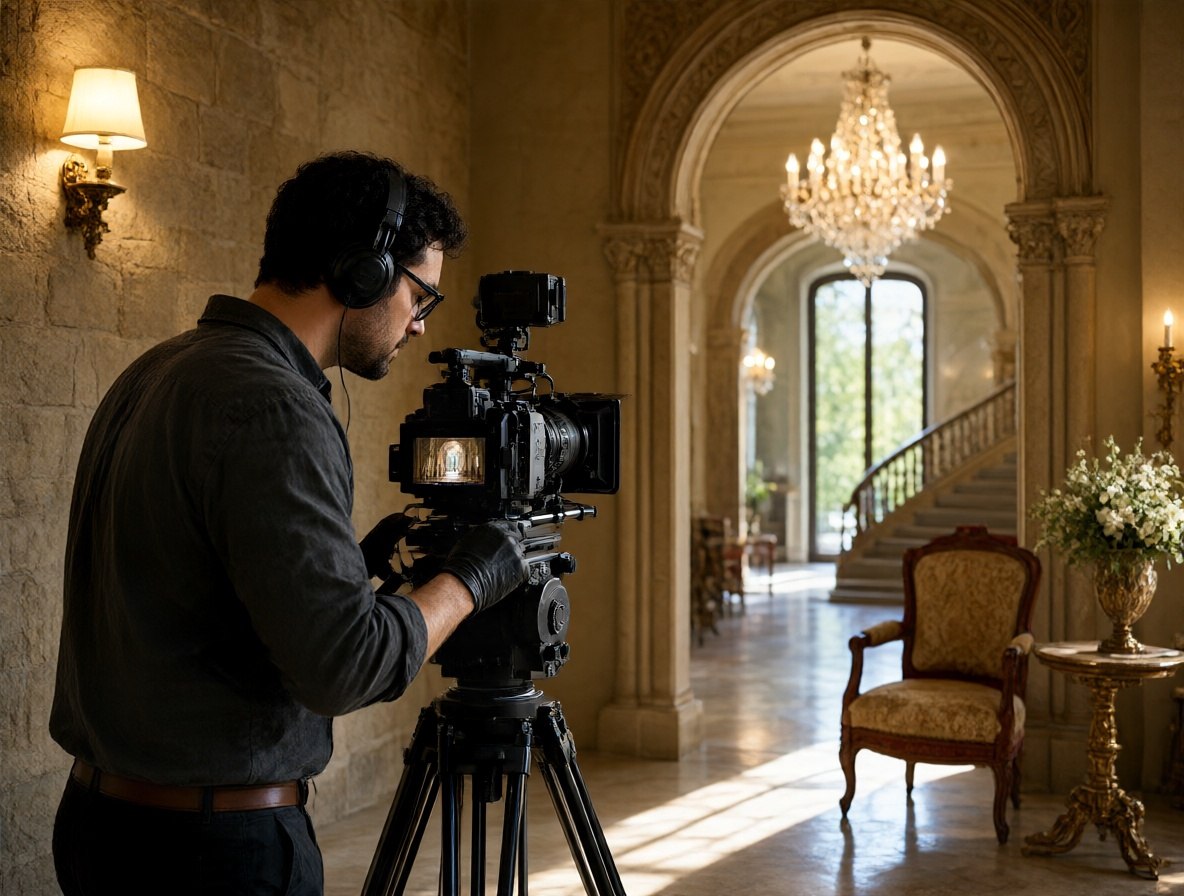
Pre-production, the invisible 40 percent
The cheapest part of any film is the conversation before it, and it decides more than any camera. A professional starts with what the film is for: who watches it, what it should make them do, where it will run. Every later decision, from locations to runtime, hangs on that one answer, and a film without it is a beautifully shot collection of clips.
This phase produces the unglamorous things that make shoot days work: a script or treatment, a shot list, a schedule that keeps the crew rested and the light on your side, contributors who know roughly what they will be asked, locations that are scouted and permitted. Amateur shoots burn their budget fixing problems on the day. Professional shoots spend the day executing decisions already made.
Lighting and framing
The mark of professional footage is rarely the camera body, it is the light. Softening a face, separating a subject from the background, shaping a window-lit room so it looks the way it felt in person: these are lighting decisions, and they read instantly as quality even to viewers who cannot name why.
Framing does the quieter work. Where the eyeline sits, how much headroom, what the background says about the subject, when to hold a shot and when to move. A professional composes interviews so the speaker owns the frame, and detail shots so the edit has somewhere to breathe. It looks effortless, and it is, which is the point.
Editing rhythm
The edit is a third production, and rhythm is its craft. A film for the website homepage and a cut for vertical feed play by different rules of pace, and a professional cuts to where the film lives rather than making one edit do for everywhere.
Rhythm is also honesty about attention: interviews trimmed to the sentences that earn their place, structure that pays off the promise of the first ten seconds, colour that carries one consistent mood instead of ten filters. Graphics used sparingly, because trust spends worse than it earns.
What that means for the money
When the day rate arrives, you are not mainly paying for the hour the button was pressed. You are paying for the decisions that made the day itself short: the plan, the light, the framing, and the edit that turns good material into a film that does a job.
That is also why fixed prices are possible, and why we publish them. A defined job, honestly scoped, does not need a mystery quote. If your film has a job to do, hire someone whose work you have watched and whose questions, before the shoot, are the ones in this article.