The paperwork behind a professional shoot: permits, licences and insurance in the UK and Ireland
A drone over a city skyline, a crew on a public street, a beach at golden hour: each is a small legal question. What professional producers check before the van is packed, in the UK and in Ireland.
Published 24 November 2026 · 6 min read
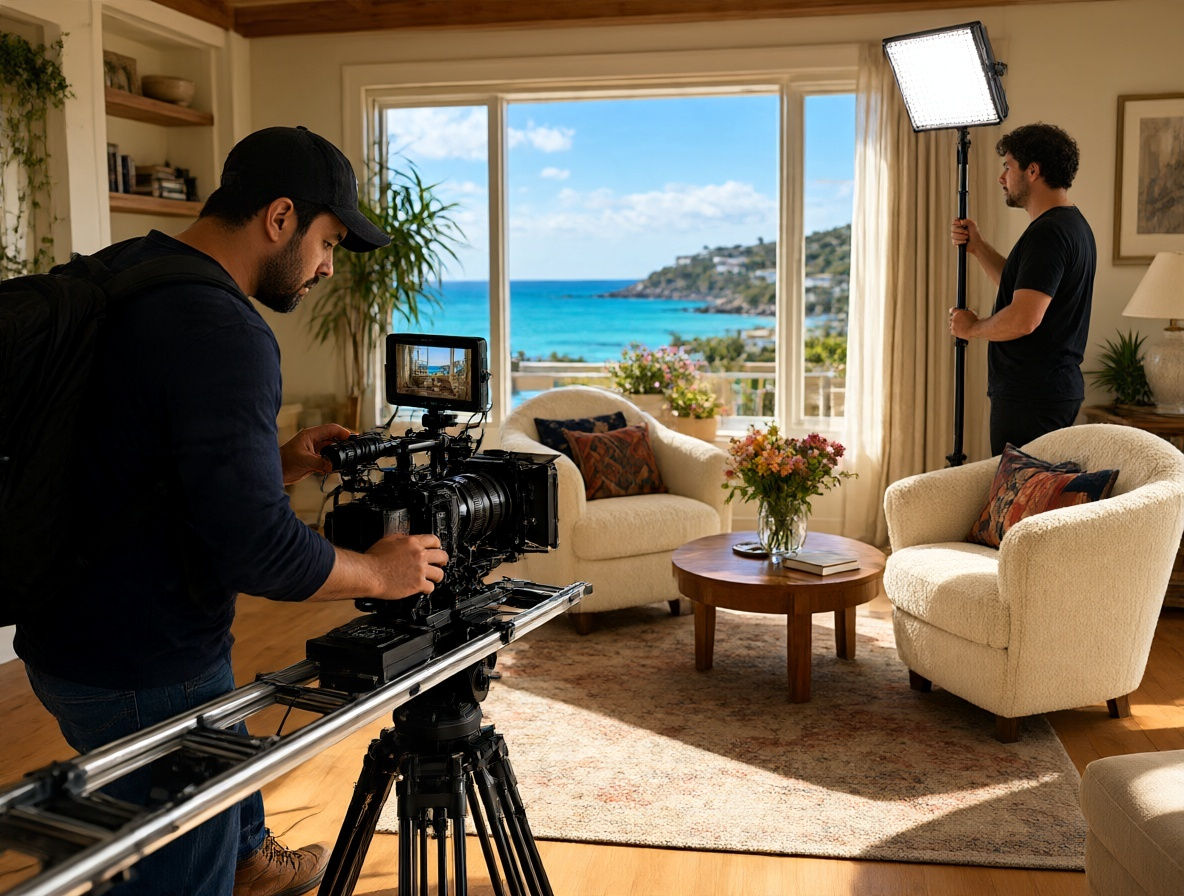
Why paperwork is a production skill
The films people remember are shot somewhere, and every somewhere belongs to somebody. A Council, an estate, a transport authority, a hotel with three logos in the lobby. Professional producers treat access as part of the schedule, not an afterthought, because the shoot that gets moved on by a security guard is the shoot that pays for two days instead of one.
This is one of the quiet separators between professional and amateur footage: the professional film is legal to publish. Permits and permissions mean the client can use the film commercially, without discovering two months later that the location owner never consented to a shoot, let alone to a campaign.
The UK layer
In the UK, public-street filming usually needs the borough or council's film services, and they are genuinely used to crews: a permit, sometimes a fee, sometimes a parking suspension for the van. Drone work sits under the Civil Aviation Authority's framework, with operator and flyer IDs, and a registered operator with the right categories can work over built-up areas where the rules allow. Some of the most iconic London and Edinburgh skylines were flown legally, by people who filed the flight plans.
The question to ask a producer is not whether they know the rules, it is whether they know which rules apply to your specific shot. A drone over a crowd, a road closure, a night shoot with a generator, each pulls a different form. Experience shows as a checklist, not a shrug.
The Irish layer
Ireland runs the same shape with its own bodies: councils for public roads and parks, the IAA's drone regime for aerial work, and the Irish Aviation Authority's rules on restricted zones such as controlled airspace around Dublin, Cork and Shannon. The coastal scenes that sell Irish tourism are flown by operators who checked the zone charts first, and the client rarely hears about it because it is simply part of the job.
For cross-border work, remember the two regimes rhyme but do not match: qualifications and insurance that satisfy one do not automatically transfer. A professional producing on both islands carries both sets of paperwork, and checks both themselves before the van is packed.
Insurance, the paper that is invisible until it is everything
Public liability insurance is the least glamorous line in the budget and the one that decides whether an accident is an anecdote or a claim. Professional producers carry it as a matter of course, clients should ask for the certificate, and the profile is where the answer belongs, so the question never needs to be awkward.
The rest of the paperwork kit: model releases for recognisable faces, music licences for the tracks in the edit, location agreements when a property features, and the data basics for films that put people on camera. None of it is creative. All of it is what lets the creative survive contact with the real world, which is why professionals do it before the shoot rather than during.